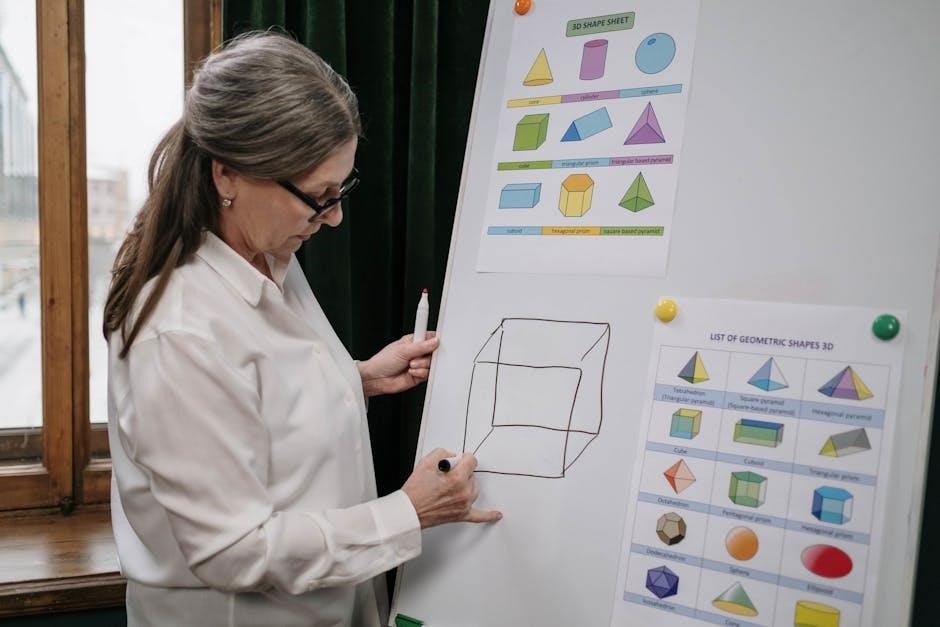
Article Plan: Roles and Responsibilities of a Special Education Teacher
Defining the Profession: Special education teaching is a uniquely demanding yet profoundly rewarding career path․ It centers on providing tailored educational support to students with diverse learning needs, ensuring equitable access to quality instruction․ These educators perform assigned duties, adapting to evolving class requirements․ The role necessitates a deep understanding of various disabilities and effective instructional strategies․
Core Focus: Special education teachers collaborate extensively with families, general educators, and support staff, championing inclusive practices and advocating for each student’s individual educational journey․ Their commitment directly impacts a student’s academic and personal growth․
Overview: Special education teachers fulfill critical roles, adapting curriculum, providing direct instruction, managing behavior, and maintaining records for diverse student needs․
1․1 Defining Special Education
Core Concept: Special education is a legally mandated, specially designed instruction provided to students with disabilities, impacting their learning abilities․ It goes beyond typical classroom modifications, focusing on individualized support․ This encompasses a wide range of disabilities, requiring tailored educational programs․ The goal is to ensure access to a free and appropriate public education (FAPE), enabling students to reach their full potential․ Understanding these diverse educational needs is paramount for effective teaching․ It’s a collaborative process involving educators, families, and specialists․
Overview: Special education teachers navigate complex duties, adapting curriculum, managing behavior, and collaborating with families to meet unique student needs effectively․
1․2 The Importance of Special Education Teachers
Crucial Role: Special education teachers are vital in fostering inclusive learning environments and unlocking the potential of students with diverse needs․ They champion equitable access to education, adapting instruction and providing individualized support․ Their expertise ensures students receive appropriate services, promoting academic and social-emotional growth․ They collaborate extensively with parents, administrators, and related service providers, advocating for student success․

Impactful Contribution: These educators are instrumental in bridging gaps and empowering students to overcome challenges, ultimately preparing them for fulfilling lives․ Their dedication directly impacts student outcomes and strengthens the educational system․
Overview: Special education teachers fulfill diverse duties, from IEP creation to adapting curriculum, ensuring students with disabilities thrive academically and socially․
1․3 Historical Context of Special Education
Historically, individuals with disabilities faced exclusion and limited educational opportunities․ Early efforts focused on institutionalization rather than inclusive schooling․ Landmark legislation, like the Education for All Handicapped Children Act of 1975 (now IDEA), revolutionized special education, guaranteeing a free appropriate public education (FAPE)․
This shift demanded specialized teachers equipped to address diverse learning needs․ Over time, the field evolved, embracing inclusion, evidence-based practices, and collaborative approaches․ Understanding this history informs current roles, emphasizing advocacy, individualized support, and a commitment to equitable access for all students․
II․ Core Roles and Responsibilities
Special education teachers shoulder significant responsibilities, primarily centered around Individualized Education Programs (IEPs)․ This includes developing, implementing, and meticulously monitoring these plans to address each student’s unique needs․ Accurate assessment and evaluation are crucial for tracking progress and adjusting instruction․
Furthermore, effective collaboration with parents, families, and general education teachers is paramount․ These core duties ensure students with disabilities receive tailored support, fostering academic growth and overall well-being within inclusive learning environments․
Job Summary: Special education teachers develop and provide individualized instruction, adapting curriculum to meet diverse academic and behavioral needs effectively․
2․1 Individualized Education Program (IEP) Development
IEP Development: A core responsibility involves leading IEP meetings, collaborating with parents, educators, and specialists to define present levels of performance․ This includes establishing measurable annual goals aligned with student needs, outlining specialized services—like speech therapy or counseling—and determining appropriate accommodations․ Teachers document these plans, ensuring compliance with IDEA regulations․ They actively participate in goal setting, adapting curriculum, and monitoring progress, ultimately crafting a roadmap for each student’s educational journey, prioritizing their unique requirements and fostering inclusive learning environments․

Special education teachers navigate complex roles, adapting instruction and collaborating with families to meet diverse student needs and ensure equitable access․
2․2 IEP Implementation and Monitoring
Effective Implementation: Special education teachers are central to enacting IEPs, delivering specialized instruction and accommodations outlined within․ This involves diligent planning, consistent data collection, and proactive adjustments to strategies․ Monitoring student progress is crucial; teachers regularly assess performance against IEP goals, documenting observations and results․
Progress Reporting: They communicate progress—or lack thereof—to parents and the IEP team, facilitating collaborative problem-solving․ Accurate record-keeping is paramount, demonstrating accountability and informing future IEP revisions․ Successful implementation requires flexibility and a commitment to individualized student support․
Core Duties: Special educators fulfill diverse duties, adapting curriculum, providing direct instruction, managing behavior, and maintaining records to meet unique student needs․

2․3 Assessment and Evaluation of Students
Comprehensive Evaluation: Special education teachers are central to assessing students’ academic and functional skills, utilizing various tools and techniques․ This includes formal assessments, observations, and data collection to pinpoint specific learning needs․ They analyze assessment results to inform IEP goals and instructional strategies, ensuring appropriate educational placement․ Regular monitoring of student progress is crucial, documenting growth and areas requiring further support․ Collaboration with school psychologists and other specialists enhances the evaluation process, providing a holistic understanding of each student’s strengths and challenges, ultimately guiding effective interventions․
Essential Duties: Special education teachers perform assigned duties, adapting curriculum, collaborating with teams, and meeting diverse educational needs of students with disabilities․
2․4 Collaboration with Parents and Families
Parent Partnership: Effective special education hinges on strong collaboration with parents and families․ Teachers regularly communicate progress, concerns, and strategies, fostering a supportive home-school connection․ This includes active participation in IEP meetings, seeking parental input on goals, and providing resources․ Building trust and open dialogue ensures a unified approach to student success, addressing both academic and behavioral needs․ Regular updates and responsiveness to family concerns are paramount, creating a collaborative team dedicated to the child’s growth and well-being․
Essential Duties: Special education teachers adapt curriculum, provide direct instruction, manage behavior, maintain records, and participate in school-wide teams, fulfilling diverse needs․
2․5 Collaboration with General Education Teachers
Crucial Partnerships: Effective special education relies heavily on strong collaboration with general education teachers․ This involves co-planning lessons, sharing student data, and discussing appropriate modifications and accommodations․ Regular communication ensures students with disabilities receive consistent support across all learning environments;
Special educators offer expertise in differentiating instruction, while general educators provide insights into the core curriculum․ Teaming allows for a unified approach to address academic and behavioral needs, fostering inclusive classrooms and maximizing student potential․ This collaborative spirit is fundamental to successful inclusion․
III․ Specific Duties and Tasks
Daily Responsibilities: Special education teachers perform diverse tasks daily, including adapting curriculum to meet individual student needs and providing direct, specialized instruction․ They meticulously manage classroom behavior, employing positive strategies and interventions․ Maintaining accurate, detailed records of student progress and IEP goals is paramount․
Furthermore, active participation in school-wide teams – such as intervention teams and behavior support groups – is essential․ These duties demand organization, patience, and a commitment to fostering a supportive learning environment for all students․

Core Focus: Special educators navigate diverse student needs, collaborating with families and colleagues to deliver tailored instruction and support services effectively․
3․1 Adapting Curriculum and Instruction

Adaptation is Key: Special education teachers expertly modify general education curriculum to meet individual student needs, ensuring accessibility and engagement․ This involves adjusting content, methodology, and assessment methods․ They utilize various strategies, like differentiated instruction, providing varied learning materials, and employing assistive technologies․ Collaboration with general education teachers is crucial for seamless integration and consistent support․ Successfully adapting instruction requires a deep understanding of each student’s IEP goals and learning styles, fostering academic progress and maximizing potential․ This ensures all students can participate meaningfully in the learning process, regardless of their disabilities․
Essential Duties: Special education teachers fulfill diverse roles, from IEP creation to direct instruction, always prioritizing students’ unique educational requirements and legal compliance․
3․2 Providing Direct Instruction
Direct instruction is a cornerstone of the special education teacher’s role, demanding tailored approaches to meet diverse learning needs․ This involves delivering explicit, systematic lessons, often utilizing specialized materials and assistive technologies․ Teachers must adapt curriculum and pace instruction based on individual student IEP goals․ Effective direct instruction incorporates frequent progress monitoring and data collection to inform instructional adjustments․ Furthermore, it requires creating a supportive and engaging learning environment where students feel comfortable participating and asking questions, fostering academic growth and independence․ This duty is performed in accordance with established class requirements․
3․3 Managing Classroom Behavior
Behavioral Strategies: Special education teachers proactively manage classroom behavior, utilizing individualized strategies outlined in IEPs․ This involves understanding the function of behaviors and implementing positive behavior interventions and supports (PBIS)․ They collaborate with support staff to create a safe and structured learning environment․ Teachers must address challenging behaviors with patience and consistency, focusing on skill-building and de-escalation techniques․ Accurate documentation of behavioral incidents is essential, alongside communication with parents and the school team to ensure a unified approach․ Effective classroom management fosters student engagement and academic progress․

3․4 Maintaining Accurate Records
Record-Keeping Significance: Meticulous documentation is paramount for special education teachers․ This includes detailed notes on student progress, IEP goals, assessment results, and any interventions implemented․ Accurate records support informed decision-making, demonstrate accountability, and facilitate effective communication with parents and school personnel․ Maintaining confidentiality, adhering to FERPA guidelines, and ensuring data integrity are crucial aspects of this responsibility․ These records are vital for legal compliance and ensuring students receive a Free Appropriate Public Education (FAPE)․
Essential Duties: Special education teachers perform varied duties, adapting curriculum, providing direct instruction, managing behavior, and collaborating with families and colleagues․
3․5 Participating in School-Wide Teams
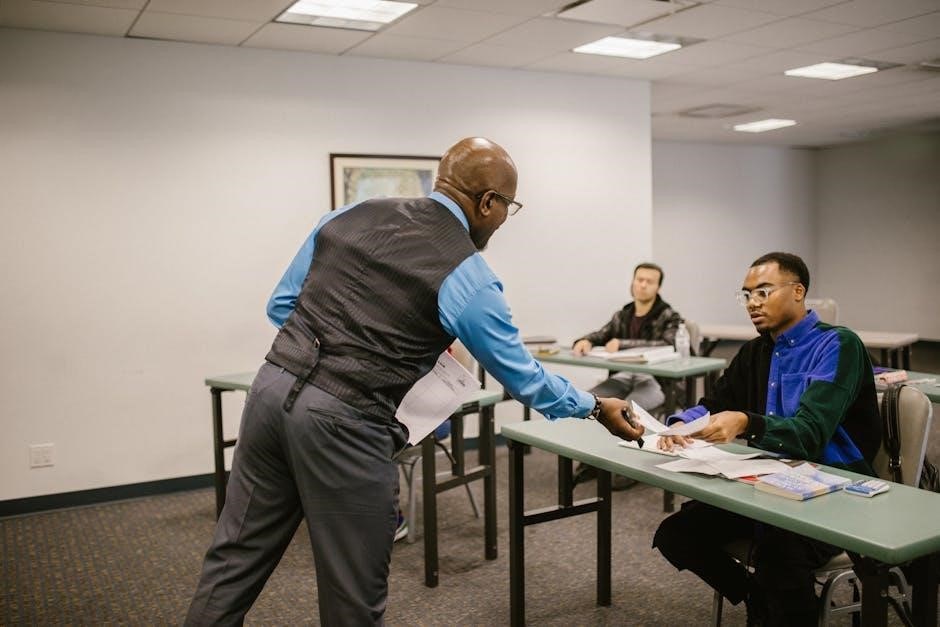
Collaboration is Key: Special education teachers actively engage in school-wide teams, contributing expertise to support all students․ This includes participation in Student Support Teams (SSTs), Response to Intervention (RTI) committees, and school improvement initiatives․ They share insights regarding student needs, accommodations, and modifications․
Shared Responsibility: Their involvement fosters a collaborative environment, ensuring a cohesive approach to addressing academic and behavioral challenges․ Contributing to these teams demonstrates a commitment to inclusive practices and the overall well-being of the school community, aligning with job descriptions and duties․
IV․ Legal and Ethical Considerations
Upholding Student Rights: Special education teachers must deeply understand the Individuals with Disabilities Education Act (IDEA) to guarantee a Free Appropriate Public Education (FAPE) for every student․ Maintaining strict confidentiality, adhering to Family Educational Rights and Privacy Act (FERPA) guidelines, is paramount․
Ethical Practice: These educators navigate complex legal frameworks, ensuring compliance while advocating for student needs․ Job descriptions emphasize adherence to these standards, demanding responsible and ethical conduct in all aspects of their duties and responsibilities․
Essential Support: The Special Education Lead Teacher (SELT) provides crucial support to administrators and teachers, fostering effective programs for all students․

4․1 Understanding IDEA (Individuals with Disabilities Education Act)
IDEA’s Core Principles: Special education teachers must deeply understand the Individuals with Disabilities Education Act (IDEA), a foundational law guaranteeing rights and services․ This includes ensuring Free Appropriate Public Education (FAPE) for eligible children․ Teachers navigate procedural safeguards, parental involvement requirements, and adherence to individualized education programs (IEPs)․ They must be proficient in understanding eligibility criteria, evaluation processes, and dispute resolution mechanisms outlined within IDEA․ Staying current with amendments and interpretations is vital for ethical and legal compliance, directly impacting student access to necessary support and accommodations․
Essential Duties: Special education teachers perform varied duties, adapting curriculum, providing direct instruction, managing behavior, and maintaining records as assigned by administrators․
4․2 Confidentiality and Student Privacy (FERPA)
Protecting Student Information: Special education teachers must rigorously adhere to the Family Educational Rights and Privacy Act (FERPA)․ This federal law safeguards student educational records, demanding strict confidentiality․ Teachers are responsible for securing IEPs, assessments, and all personally identifiable information․ Sharing such data requires explicit parental consent, except in legally defined circumstances․ Maintaining privacy builds trust with families and ensures ethical practice․ Violations can lead to serious consequences, emphasizing the critical importance of FERPA compliance in daily duties and record-keeping practices․

Essential Duties: Special education teachers perform varied tasks, including curriculum adaptation, direct instruction, behavior management, and meticulous record-keeping, as outlined in job descriptions․
4․3 Ensuring Free Appropriate Public Education (FAPE)
FAPE Guarantee: Special education teachers are central to upholding the legal mandate of Free Appropriate Public Education (FAPE) for all eligible students with disabilities․ This involves designing and implementing IEPs that address individual needs, providing specialized instruction, and ensuring access to the general education curriculum with appropriate supports and services․ Teachers must advocate for resources and accommodations necessary for students to make meaningful progress․ They collaborate with teams to determine appropriate placement options and monitor student outcomes, guaranteeing access to a quality education tailored to each student’s unique requirements, as dictated by IDEA regulations and district policies․
V․ Professional Development and Growth
Continuous Learning: Special education demands ongoing professional development to stay current with best practices and evolving research․ Teachers must fulfill continuing education requirements, actively seeking opportunities to enhance their skills in areas like assistive technology, behavioral interventions, and inclusive teaching strategies․ Engaging with professional organizations provides valuable resources and networking opportunities․ The role of the Special Education Lead Teacher (SELT) often involves mentoring colleagues and facilitating school-wide professional growth, fostering a collaborative learning environment dedicated to improving outcomes for all students․
Essential Duties: Special education teachers adapt curriculum, provide direct instruction, manage behavior, maintain records, and collaborate within school-wide teams to meet diverse needs․
5․1 Continuing Education Requirements
Professional Growth: Maintaining licensure often necessitates ongoing professional development, varying by state and district regulations․ Special education teachers must stay abreast of evolving best practices, new research, and legal mandates like IDEA․ This includes coursework, workshops, and conferences focused on disabilities, instructional strategies, and assessment techniques․ Districts frequently mandate specific training hours annually․
Furthermore, fulfilling these requirements ensures educators are equipped to effectively address the diverse educational needs of their students, upholding quality special education services․
Essential Duties: Special education teachers adapt curriculum, provide direct instruction, manage behavior, maintain records, and collaborate within school-wide teams to support students․
5․2 Staying Current with Best Practices
Continuous learning is vital․ Special educators must actively engage in professional development to remain informed about evolving research and evidence-based strategies․ This includes exploring new instructional techniques, assistive technologies, and behavioral interventions․ Staying abreast of current best practices ensures teachers can effectively address the diverse needs of students with disabilities․ Regularly reviewing updated IDEA guidelines and attending workshops are crucial components․ Furthermore, networking with peers and specialists fosters a collaborative environment for sharing knowledge and refining skills, ultimately enhancing student outcomes and upholding ethical standards․
Essential duties encompass adapting curriculum, providing direct instruction, managing behavior, maintaining records, and collaborating within school-wide teams to meet student needs․
5․3 Professional Organizations and Resources
Numerous organizations support special education professionals, offering vital resources and networking opportunities․ The Council for Exceptional Children (CEC) provides professional development, advocacy, and standards․ Additionally, state-level special education coalitions offer localized support and information regarding regulations․ Websites like understood․org and the National Center for Learning Disabilities furnish accessible resources for educators and families․ These avenues facilitate staying current with best practices, accessing research-based interventions, and collaborating with peers to enhance student outcomes, ultimately fulfilling the diverse duties of a special education teacher․
Essential duties involve adapting curriculum, providing direct instruction, managing behavior, maintaining records, and collaborating within school-wide teams for student needs․
5․4 The Role of the Special Education Lead Teacher (SELT)
The Special Education Lead Teacher (SELT) provides crucial support to administrators and teachers, fostering effective educational programs for all students with disabilities․ This role involves guiding colleagues, ensuring compliance with regulations like IDEA, and promoting best practices in special education․ SELTs often facilitate IEP meetings, offer professional development, and act as a resource for navigating complex student needs․ They collaborate to improve instructional strategies and maintain high-quality services, ultimately enhancing outcomes for students requiring specialized support․ The SELT’s position is vital for school-wide success․