
The Book of Adam and Eve: A Comprehensive Guide to Finding a Free PDF Download

Seeking a free PDF of “The Book of Adam and Eve”? Project Gutenberg offers Rutherford Platt’s adaptation (EBook #398) with minimal restrictions‚ ensuring accessible knowledge․
Understanding the Text’s Origins
The narrative of Adam and Eve extends beyond the canonical Genesis account‚ blossoming into a rich tapestry of apocryphal literature․ “The Book of Adam and Eve‚” as presented by Rutherford Platt and freely available via Project Gutenberg‚ draws upon earlier sources like the Apocalypse of Moses․ These texts‚ not included in standard biblical canons‚ offer expanded theological explorations․
Its origins trace back to the early centuries of the Common Era‚ likely developing within Jewish and Christian communities seeking deeper understanding of the Fall․ Platt’s 1921 adaptation‚ readily accessible as a free PDF‚ translates and compiles these ancient traditions․ Understanding this lineage is crucial for appreciating the text’s unique perspective on sin‚ redemption‚ and divine interaction․
Rutherford Platt’s Adaptation
Rutherford Platt’s 1921 adaptation of “The Book of Adam and Eve” is a significant contribution to its accessibility․ Released as Project Gutenberg EBook #398 in 2008‚ Platt’s work isn’t a direct translation‚ but rather a compilation and interpretation of various apocryphal sources․ He aimed to present a cohesive narrative‚ bridging fragmented texts for a modern audience․
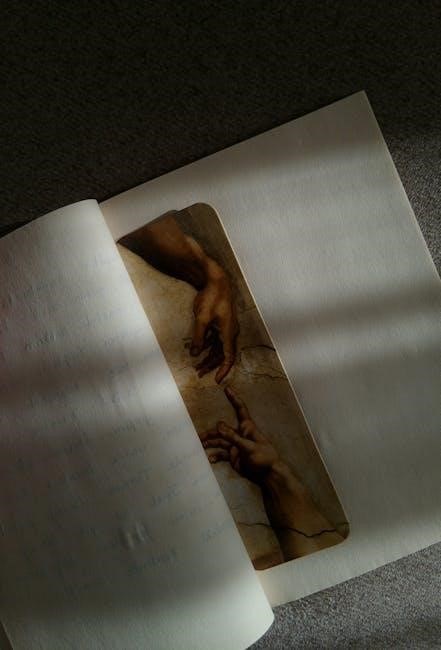
His version‚ available as a free PDF download‚ retains the core theological themes while employing accessible language․ Platt’s adaptation emphasizes the emotional and psychological impact of the Fall on Adam and Eve‚ offering a nuanced portrayal of their experience․ This makes it a valuable resource for those exploring non-canonical biblical literature․
Project Gutenberg and Free Access

Project Gutenberg stands as a cornerstone for free access to classic literature‚ and “The Book of Adam and Eve” (Rutherford Platt’s adaptation) is readily available within its digital library․ Published on January 19‚ 2008‚ and last updated January 25‚ 2008‚ EBook #398 embodies the project’s mission: providing ebooks at no cost․
This accessibility is governed by the Project Gutenberg License‚ allowing users to copy‚ distribute‚ and reuse the text with minimal restrictions․ The PDF download is encoded in ISO-8859-1‚ ensuring broad compatibility․ It’s a legal and ethical way to explore this fascinating apocryphal text‚ fostering scholarly and personal enrichment․
The Core Narrative: Expulsion from Eden
The narrative unfolds with God’s command for Adam to reside in the “Cave of Treasures” following their expulsion from the idyllic Garden of Eden․ This pivotal moment marks a dramatic shift in their existence‚ initiating a period of hardship and adaptation․ Adam and Eve initially faint upon leaving‚ highlighting the profound loss of divine presence․
Divine intervention swiftly follows‚ as God sends His Word to offer solace and encouragement․ The text introduces the concept of the “great five and a half days‚” foreshadowing future events․ Adam’s lament underscores the changed conditions‚ leading them both into the Cave‚ beginning their new‚ challenging life․
Adam’s Initial Fate: The Cave of Treasures
Following expulsion‚ Adam’s immediate fate is confinement within the “Cave of Treasures‚” a stark contrast to the boundless freedom of Eden․ This cave represents a transitional space‚ a refuge granted by God amidst their newfound mortality and separation from divine grace․ It’s a place of initial hardship‚ yet also potential solace․
The text details Adam and Eve’s physical weakness‚ fainting as they depart the Garden‚ emphasizing the profound impact of their loss․ The cave isn’t presented as a punishment‚ but rather a necessary step in their journey‚ a place to begin adapting to their altered state of being and facing their future․
Divine Comfort and Encouragement
Despite their expulsion‚ God doesn’t abandon Adam and Eve to despair․ Recognizing their frailty after leaving Eden‚ He extends comfort and encouragement through His Word․ This divine intervention isn’t a reversal of judgment‚ but a compassionate response to their immediate suffering and disorientation․
The narrative highlights God’s foresight‚ anticipating their weakness and proactively offering solace; This act underscores the enduring nature of divine love‚ even in the wake of disobedience․ It’s a crucial moment‚ establishing a pattern of grace and foreshadowing the promise of redemption‚ offering hope amidst their bleak circumstances․
The Prophecy of the Five and a Half Days
Central to the narrative is the enigmatic prophecy concerning “the great five and a half days․” This period isn’t explicitly defined in terms of earthly time‚ but represents a significant epoch in God’s plan for humanity’s restoration․ It’s a foreshadowing of future events‚ hinting at a period of tribulation and eventual deliverance․
The prophecy’s ambiguity invites interpretation‚ often linked to themes of suffering‚ repentance‚ and ultimate salvation․ While its precise meaning remains open to theological debate‚ its inclusion emphasizes God’s foreknowledge and the unfolding of a divine timeline‚ offering a glimmer of hope within their exile․
Adam’s Lament and Entry into the Cave
Following expulsion from Eden‚ Adam is overcome with profound grief‚ lamenting the loss of his idyllic existence and the radiant “Bright Nature” bestowed upon him by God․ His sorrow isn’t merely for his own suffering‚ but for the disruption of divine harmony and the introduction of mortality into the world․
Obeying God’s command‚ Adam and Eve seek refuge within the “Cave of Treasures․” This isn’t a place of material wealth‚ but a symbolic space representing a temporary sanctuary and a period of introspection․ Entering the cave signifies their descent into a world marked by hardship and separation from divine presence․
Eve’s Intercession and Acceptance of Blame
In a poignant display of devotion‚ Eve steps forward‚ making a “noble and emotional intercession” on behalf of Adam․ She bravely accepts the primary responsibility for their transgression‚ acknowledging her role in yielding to the serpent’s temptation and initiating the fall from grace․ This act demonstrates her profound love and willingness to shield Adam from the full weight of God’s judgment․
Her selfless gesture isn’t a denial of Adam’s agency‚ but rather a heartfelt attempt to mitigate the consequences of their shared mistake․ Eve’s acceptance of blame highlights the complex dynamics of their relationship and the enduring power of compassion in the face of adversity․
God’s Reprimand: The Nature of Sin
Following Eve’s intercession‚ God delivers a stern reprimand to both Adam and Eve‚ meticulously outlining the nature of their sin․ He clarifies how and why they transgressed‚ emphasizing the disobedience inherent in their actions․ This isn’t merely a condemnation‚ but a crucial lesson in understanding the consequences of free will and the importance of divine command․

The reprimand reveals that sin stems from a deliberate choice to defy God’s explicit instructions‚ disrupting the harmonious order of Eden․ It underscores the gravity of their decision and the profound impact it has on their existence and the future of humankind․
Appeasing the Beasts
After their expulsion‚ Adam and Eve encounter a world drastically altered‚ where even the animal kingdom reflects the consequences of their sin․ Initially hostile‚ the beasts pose a threat to the newly vulnerable humans․ However‚ divine intervention occurs‚ leading to the appeasement of these creatures․
This act signifies a temporary restoration of order‚ a small mercy granted amidst the overwhelming loss․ It demonstrates God’s continued concern for Adam and Eve‚ even in their fallen state‚ and foreshadows the eventual reconciliation between humanity and creation․ The beasts‚ once harmonious‚ now require pacification․
The Loss of “Bright Nature”

A pivotal consequence of the Fall is the forfeiture of humanity’s “Bright Nature‚” a state of inherent goodness and spiritual luminosity enjoyed within Eden․ This loss isn’t merely physical; it’s a profound alteration of their very being‚ impacting their perception‚ emotions‚ and relationship with God․

This diminished state introduces vulnerability to sin‚ suffering‚ and ultimately‚ death․ The text highlights the stark contrast between their former glory and their present condition‚ emphasizing the gravity of their disobedience․ The removal of this innate purity necessitates divine intervention and the promise of redemption․
The Tree of Life and the Need for Sustenance
Following expulsion from Eden‚ Adam and Eve’s bodies begin to experience the effects of mortality‚ necessitating sustenance beyond spiritual connection․ The narrative details their desperate need for water‚ even nearly drowning while attempting to drink from the Tree of Life․
This physical craving symbolizes their separation from God’s direct provision and the introduction of earthly limitations․ The Tree of Life‚ once freely accessible‚ now represents a lost source of eternal vitality․ Their bodies‚ now subject to decay‚ require nourishment‚ foreshadowing the ongoing cycle of life and death in their new existence․
Recollections of Eden’s Glory

As Adam and Eve grapple with their new reality‚ poignant recollections of Eden’s splendor surface‚ intensifying their grief and sense of loss․ The text vividly contrasts their former state of blissful harmony with the harshness of their present condition;
These memories aren’t merely nostalgic; they underscore the magnitude of their fall and the perfection forfeited through disobedience․ The narrative emphasizes the ease and abundance of life within the Garden‚ where sustenance and joy were freely given‚ a stark contrast to their current struggles for survival and understanding․
Following their expulsion‚ a profound shift occurs‚ marked by the introduction of darkness – both literal and metaphorical – into Adam and Eve’s existence․ This isn’t simply the absence of light‚ but a symbolic representation of their separation from God’s grace and the clarity of Eden․

The narrative details how darkness came between Adam and Eve‚ signifying a fracturing of their previously unified experience․ This separation extends beyond the physical realm‚ impacting their emotional and spiritual connection․ The creation of night and day is directly linked to Adam’s fall‚ establishing a new order defined by cycles of light and shadow․
The Fall of Adam and the Creation of Time
The text explicitly connects Adam’s transgression with the very genesis of time as we know it․ Before the fall‚ existence was seemingly timeless within the Garden of Eden․ However‚ with Adam’s disobedience‚ the concept of past‚ present‚ and future is introduced‚ manifested in the creation of night and day․
This isn’t merely a cosmological event‚ but a consequence of humanity’s altered state․ The cyclical nature of day and night mirrors the ongoing struggle between good and evil‚ and the passage of time becomes a measure of their separation from divine perfection․ The fall‚ therefore‚ isn’t just a moral failing‚ but a fundamental shift in the structure of reality․
The First Prophecy of Christ
Within the narrative‚ a pivotal moment arrives with the earliest foreshadowing of Christ’s eventual arrival․ This prophecy isn’t presented as a detailed prediction‚ but rather as a glimmer of hope amidst the despair following the Fall․ It signifies God’s foreknowledge and enduring plan for the redemption of humanity‚ even in the face of disobedience․
Adam and Eve‚ deeply grieving over the suffering God willingly endures to offer salvation‚ receive this divine reassurance․ The prophecy serves as a beacon‚ hinting at a future savior who will bridge the gap created by their sin and restore the broken relationship between God and humankind․
Adam and Eve’s Grief Over God’s Sacrifice
A profound sorrow overwhelms Adam and Eve as they begin to comprehend the extent of God’s sacrifice for their sake․ The realization that their transgression necessitates divine suffering evokes deep remorse and a heavy sense of guilt․ This isn’t merely regret for their lost paradise‚ but a genuine empathy for the pain God willingly endures to offer them a path to redemption․
Their grief stems from understanding that God’s love is so immense that He is prepared to bear the consequences of their actions․ This emotional response highlights the core theme of the text – the unwavering grace and mercy extended even to those who have fallen from grace․
The First Sunrise and Initial Fear
The dawn of the first sunrise after their expulsion from Eden evokes not joy‚ but primal fear in Adam and Eve․ Accustomed only to the gentle‚ diffused light of paradise‚ they perceive the sun’s fiery emergence as a consuming inferno‚ a divine punishment descending upon them․ This initial terror symbolizes their complete disorientation and alienation from the natural world․
Their minds‚ clouded by guilt and loss‚ misinterpret the life-giving light as a destructive force․ This reaction underscores the profound psychological impact of the Fall‚ transforming a beautiful phenomenon into a source of dread and anxiety․ It’s a stark contrast to their former harmonious existence․
The Chapter of the Serpent: A Detailed Examination
The narrative dedicates significant attention to the serpent‚ portraying it not merely as a tempter‚ but as a complex figure embodying rebellion and cunning․ This chapter delves into the serpent’s motivations and strategies‚ revealing a deliberate attempt to undermine God’s order and sow discord within creation․ The text explores the serpent’s deceptive rhetoric and its appeal to Eve’s desire for knowledge․
A detailed examination reveals the serpent’s mastery of manipulation‚ exploiting Eve’s vulnerability and questioning the divine decree․ This section highlights the subtle yet potent power of temptation and the devastating consequences of succumbing to it․ The serpent’s role is pivotal in understanding the origins of sin․
Locating a Free PDF Download
Finding a free PDF version of “The First Book of Adam and Eve” is readily achievable through Project Gutenberg (www․gutenberg;org)․ This online library provides access to Rutherford Platt’s adaptation as EBook #398‚ downloadable in various formats‚ including PDF․ The site operates legally‚ offering texts released into the public domain․
Simply search for “398” or “First Book of Adam and Eve” on the Gutenberg website․ The download is straightforward and requires no registration․ Ensure your device supports PDF viewing for seamless access to this ancient and fascinating text․ It’s a convenient and legal way to explore this work!
Legality and Copyright Considerations
Downloading “The First Book of Adam and Eve” as a PDF from Project Gutenberg is entirely legal․ The text‚ as adapted by Rutherford Platt‚ is in the public domain‚ meaning copyright restrictions have expired․ Project Gutenberg operates within legal frameworks‚ offering free access to such works․
You are permitted to copy‚ distribute‚ and reuse the eBook under the terms of the Project Gutenberg License․ This license ensures broad accessibility without infringing on any copyright laws․ Rest assured‚ accessing this PDF does not constitute illegal activity; it’s a legitimate way to enjoy a classic text․
Alternative Online Resources
Beyond Project Gutenberg‚ several online archives may host digital copies of “The First Book of Adam and Eve․” Internet Archive is a potential source‚ though availability can vary․ Websites dedicated to religious texts or apocryphal literature sometimes offer downloadable PDFs․
However‚ exercise caution when exploring these alternatives․ Verify the source’s credibility to ensure you’re obtaining a legitimate copy․ Project Gutenberg remains the most reliable and legally sound option‚ guaranteeing a safe and authorized download․ Always prioritize reputable platforms for accessing digital content․
Potential Risks of Downloading PDFs
Downloading PDFs from unverified sources carries inherent risks․ Malicious PDFs can contain viruses‚ malware‚ or spyware‚ compromising your device and data security․ Phishing attempts disguised as legitimate downloads are also prevalent‚ aiming to steal personal information․
Poorly scanned or converted PDFs may exhibit formatting errors or missing content‚ hindering readability․ Copyright infringement is another concern when obtaining PDFs from unauthorized websites․ Always prioritize reputable sources like Project Gutenberg to mitigate these risks and ensure a safe‚ legal download experience․

Ensuring a Safe Download Experience
Prioritize downloading from trusted sources like Project Gutenberg‚ known for providing legally compliant and verified eBooks․ Utilize a reputable antivirus program and keep it updated to scan downloaded files for potential threats․ Exercise caution with unfamiliar websites offering free PDFs‚ as they may harbor malware․
Always review the website’s security certificate (HTTPS) before downloading․ Avoid clicking on suspicious links or advertisements․ Regularly back up your data to protect against potential data loss․ A cautious approach significantly minimizes risks associated with downloading PDFs‚ ensuring a secure and enjoyable reading experience․
Verifying the Authenticity of the PDF
Confirm the PDF’s source by cross-referencing it with Project Gutenberg’s official listing for Rutherford Platt’s “First Book of Adam and Eve” (EBook #398)․ Check the publication details within the PDF itself – author‚ release date (January 19‚ 2008)‚ and character set encoding (ISO-8859-1) should align with the Gutenberg record․
Compare the text to online excerpts or summaries to identify any discrepancies․ Be wary of PDFs with altered formatting or missing content․ A legitimate copy will adhere to the original text and structure․ Authenticity verification safeguards against unauthorized versions and ensures you’re reading the intended work;
Common Search Terms for the PDF
Locating the PDF often involves specific search queries․ Effective terms include “First Book of Adam and Eve PDF‚” “Rutherford Platt Adam and Eve PDF‚” and “Project Gutenberg Adam and Eve PDF․” Variations like “Book of Adam and Eve free download” or “Adam and Eve apocrypha PDF” can also yield results․
Refine searches by adding “Project Gutenberg” to prioritize results from the trusted source․ Be cautious of sites offering downloads without clear provenance․ Utilizing precise keywords increases the likelihood of finding the authentic‚ free PDF version of this fascinating apocryphal text․
Exploring Related Apocryphal Texts
“The Book of Adam and Eve” exists within a broader collection of apocryphal literature․ Consider exploring texts like “The Life of Adam and Eve‚” offering alternative narratives of the Fall and post-Edenic existence․ The “Psalms of Solomon” and various fragments of “Enoc” provide further insight into Second Temple Period religious thought․
Project Gutenberg and similar archives often host these related works in free PDF format․ Investigating these texts enriches understanding of the cultural and theological context surrounding “The Book of Adam and Eve‚” revealing diverse interpretations of biblical stories․